Air Source Heat Pumps – How they work and when they’re a suitable option for your home
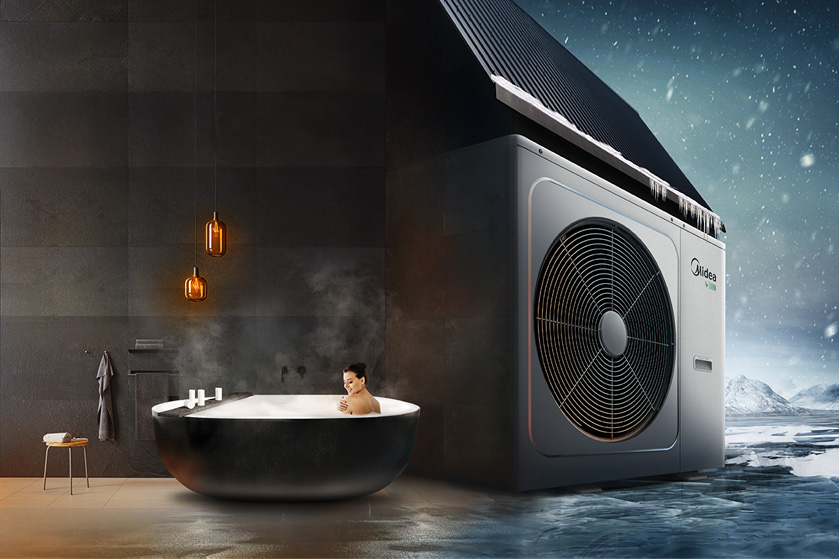
An air source heat pump works by taking heat from the outside air and using it to warm your home and hot water. Instead of creating heat by burning fuel, it moves existing heat, which makes it a far more efficient way of heating a property.
Because of this efficiency, heat pumps can reduce energy use and running costs over time, particularly when replacing older or inefficient heating systems. They also qualify for government support, including the Boiler Upgrade Scheme, which can help reduce the upfront cost of installation.
You may see efficiency referred to as a Seasonal Coefficient of Performance (SCOP). This is simply a way of measuring how efficiently a heat pump performs over a full heating season. A higher SCOP means more heat is produced for the energy used, resulting in lower running costs.
Homes heated by night storage heaters or electric panel radiators can face high running costs and limited control. In suitable properties, an air source heat pump can offer a more efficient way to heat the home and supply hot water, improving comfort and consistency.
As with all installations, suitability depends on the property, insulation levels, and how the home is used, which is why a proper survey and heat loss calculation are essential before any recommendations are made.
Many homes in rural areas still rely on oil-fired boilers, which are often expensive to run and nearing the end of their usable life. Air source heat pumps can be a practical alternative for these properties, removing the need for fuel deliveries and oil storage while providing a more efficient heating solution.
Each property is assessed individually to ensure the system is suitable and designed correctly for the building, rather than treated as a like-for-like boiler replacement.
Earlier generations of air source heat pumps typically operated at lower flow temperatures, which often meant radiators needed to be upgraded to maintain comfort. Newer high-temperature heat pumps are capable of operating at higher temperatures, in some cases up to 70–75°C.
This means that in certain homes, existing radiators may be suitable and do not always need to be replaced. Whether radiator upgrades are required depends on the property, the heat loss calculation, and how the system is designed.
High-temperature systems still qualify for the Boiler Upgrade Scheme, and their suitability is assessed as part of the survey and design process.
Not always. Older heat pumps typically ran at lower temperatures, which often meant radiators needed to be upgraded. Newer high-temperature heat pumps can operate at higher flow temperatures, meaning existing radiators may be suitable in some homes.
Whether radiator changes are required depends on the property, insulation levels, and the results of the heat loss calculation. This is assessed as part of the survey and system design process, so recommendations are based on what’s appropriate for the home rather than assumptions.
The cost of installing a heat pump varies depending on factors such as the size of the property, the type of system required, and the existing heating setup. We provide tailored quotes following a site survey, ensuring costs are based on a properly designed system rather than estimates or guesswork.
Heat pumps can work well in many types of property, including both new builds and existing homes. Suitability depends on factors such as insulation levels, heat loss, and the existing heating system. A site survey allows us to assess this properly and recommend the most appropriate solution.
Installation times vary depending on the property and the complexity of the system. Most installations are completed within an agreed timeframe following the initial survey, with work planned carefully to minimise disruption.
Heat pumps are highly efficient and can reduce energy use compared to older fossil-fuel heating systems. Over time, this can lead to lower running costs, particularly when replacing inefficient boilers or electric heating.
Homeowners may also qualify for government support such as the Boiler Upgrade Scheme, which can help reduce the upfront cost of installation.
Heat pumps use renewable energy from the air to heat homes, producing significantly lower carbon emissions than traditional gas or oil boilers. This makes them a more sustainable heating option and helps reduce a property’s overall carbon footprint.